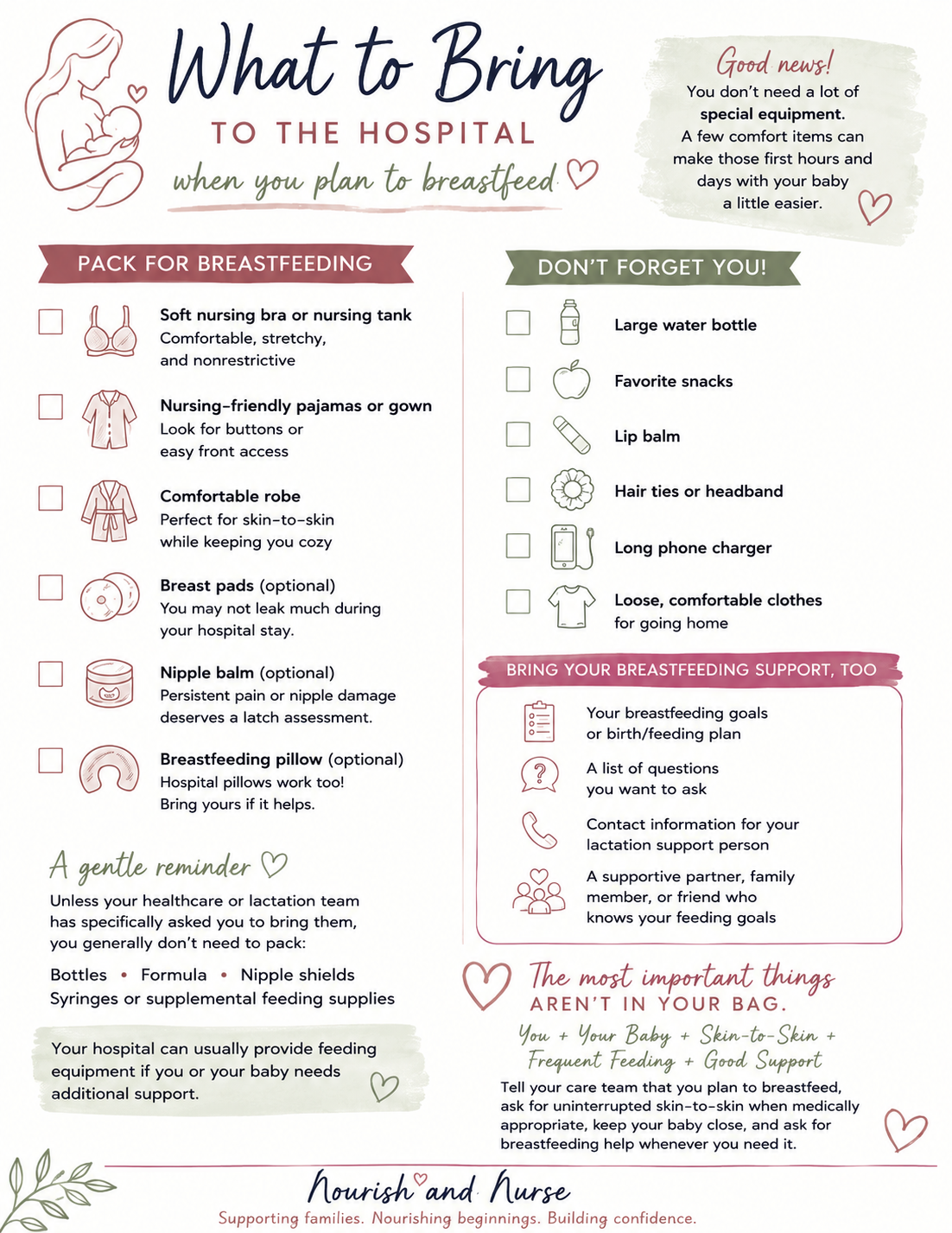
When preparing for a new baby, it’s easy to get caught up in the tangible checklist: picking out the perfect car seat, folding tiny outfits, and packing the ultimate hospital bag. But among the stacks of diapers and newborn onesies, one of the most valuable investments you can make doesn’t fit in a suitcase. Preparing for your infant feeding journey before your baby arrives is one of the best ways to build your confidence and set your family up for success.
Breastfeeding is a beautiful, natural process, but it is also a learned skill for both you and your newborn. Taking a few proactive steps during pregnancy can help demystify the early days and give you a clear roadmap for when your little one arrives.
Here is how you can look beyond the hospital bag and prepare for breastfeeding during your pregnancy.
1. Build Your Knowledge Base Early
You don’t need to become an expert overnight, but understanding the basic mechanics of how lactation works can relieve a lot of anxiety. Familiarizing yourself with foundational concepts before birth makes common challenges feel much less overwhelming when you’re in the thick of postpartum recovery.
Consider exploring a few key topics during your third trimester:
- The Magic of Colostrum: Learning about the thick, nutrient-dense “liquid gold” your body produces in the first few days helps prevent the common fear that your milk “isn’t in yet.”
- Normal Newborn Behaviors: Understanding how small a newborn’s stomach is on day one (about the size of a marble!) and recognizing normal cluster-feeding patterns can give you immense peace of mind.
- Hand Expression Basics: Learning how to express colostrum by hand before delivery is an incredibly empowering skill that can assist you in the hospital if your baby is sleepy or having trouble latching.
2. Set Up a Dedicated “Feeding Station” At Home
Once your baby is here, you will spend many hours nursing, pumping, or holding your little one. Instead of scrambling for what you need every time your baby gets hungry, set up a comfortable, dedicated feeding station in your home ahead of time.
Find a supportive chair and stock a nearby basket or cart with essentials:
- A large water bottle (lactation requires plenty of hydration!) and quick, easy-to-grab snacks.
- An extra-long phone charger.
- A comfortable nursing pillow to support your posture and help protect your back and neck.
- A small stack of burp cloths and breast pads.
- A notepad or an infant tracking app set up on your phone to easily note feeding times and wet diapers in the early days.
3. Establish Your Support Network Now
The old saying “it takes a village” is especially true for new parents. One of the most critical elements of preparing prenatally is identifying exactly who you can turn to for encouragement, physical help, and professional guidance.
Talk with your partner, family members, or close friends about how they can support you. Remind them that while they may not be feeding the baby directly, they can protect your rest, bring you meals, keep you hydrated, and handle household chores so you can focus entirely on bonding and learning to nurse.
Additionally, look up local resources before your due date. Find out if your hospital has an on-staff lactation consultant, look for local peer support groups, and keep the contact information for a trusted professional handy so you don’t have to search for help in a moment of stress.